投稿

絵志野片口 Shino-ware Bowl with a Lip

イメージ
江戸後期 Late Edo Period (19th century) top width: 10-11 cm, height: 6.1 cm, bottom width: 5.2 cm ちょっと前に 東京国際フォーラムの中庭でやってる大江戸骨董市 で求めた。骨董商によると江戸後期のもので、この時代の志野の片口はめずらしいという。全体にひび割れ(貫入)がみられることからわかるとおりやや焼きが甘いが、器の形や絵付けはシンプルで屈託がなく、また長い間使い込まれた風合いも出ている。骨董屋のいうとおり200年くらい前の江戸期の職人の手際のよさがうかがえる、気がする。いつもは古伊万里しか買わないわたしだが、このあいだも 成島焼の片口 を衝動買いしたし、なにか心情の変化が起こりつつあるのかもしれない。 This lipped bowl was sold at Oedo Antique Market held roughly twice a month in a courtyard of Tokyo International Forum, Yurakucho. The antique dealer said it was made in the late Edo period and lipped bowls were rare in such old Shino wares. The skin is full of cracks, but I think the simple shape and drawing imply the potter living almost 200 years ago was skillful enough. 形はややいびつである。注ぎ口はいかにも素朴なつくりで、ためしに酒を注いでみるとキレがわるくしずくが垂れる。本来はもう少し先っぽを上向きにして傾斜をつけるべきだろう。わたしは土を見て産地を言い当てるようなスキルはまったく持ち合わせないが、見る人が見ればどこでつくられたのかわかるかもしれない。 志野焼とは16世紀末に美濃地方ではじまった焼物の様式で、不透明乳白色の長石釉が厚くかけられているのが特徴(たとえば 美濃焼伝統工芸品協同組合のページ を参照)。志野焼...
金彩唐草ののぞき猪口 Gold Arabesque Pattern Nozoki Cups

イメージ
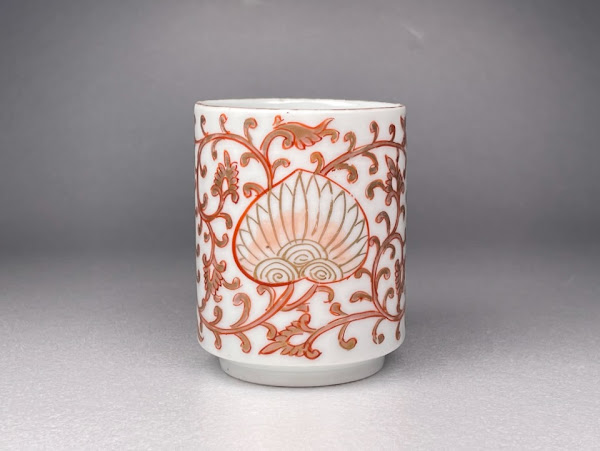
金彩の唐草文様の猪口を2つ紹介する。 Two pieces of gold arabesque nozoki -type Imari cup are shown. 1. 金彩 葵唐草文 のぞき猪口 18世紀後半 Late 18th century 口径 top width: 51 mm / 高さ height: 65 mm / 高台径 bottom width: 42 mm 表と裏に葵の葉とおぼしき文様を描き、その周囲を唐草で埋め尽くす。唐草を金彩で描いて、それを赤絵で縁どりするのが特徴的だ。色絵の磁器というのは得てして派手なものが多いが、この器にはむしろ落ち着きや渋さを感じる。 Two hollyhock leaves are drawn on opposite sides and arabesque patterns around them with gold and red glazes. Using these two colors on a white porcelain gives me an impression that it is quiet and tasteful. 2. 染錦 花唐草文 のぞき猪口 18世紀後半 Late 18th century 口径 top width: 51 mm / 高さ height: 61 mm / 高台径 bottom width: 43 mm こちらはまず呉須で「窓」を描き、その上に金彩と赤絵で草花図と唐草文を描いている。唐草の表現方法は前のとおなじ。このあいだの平和島骨董市で入手した。 なんでも金ピカに装飾するのは成金趣味というか、あまりいい印象を抱かないが、これらの猪口の唐草文様についてはわたしはむしろ落ち着きを感じ、とても魅力的におもう。陶芸というのは限られた色で表現せざるを得ないものだが、大げさかもしれないが、この金と赤の表現は色絵磁器におけるある種の極致を示しているようにおもえる。 This Imari cup uses a blue (cobalt) glaze at first to draw window frames and gold and red colors after that to d...

筍掘り図 のぞき猪口 Bamboo Shoot Hunting

イメージ
中国三国時代(3世紀頃)の呉の人である孟宗が寒中に筍をとって母親に与えたという「雪中の筍」の故事にちなんだ猪口を2個入手した。 I obtained two Imari cups relating to a story that Meng Zong, a Chinese government official living in the third century, went out for bamboo shoots in a winter cold day to give them to his mother. ひとつ目 18世紀末〜19世紀前半 From the end of 18th century to early 19th century 口径 top width: 50 mm / 高さ height: 54 mm / 高台径 bottom width: 41 mm 1個目は染付ののぞき猪口。傘をかぶり、鍬(くわ)をかついだ、すね丸出しの(または脚絆みたいなのを巻いた)人物がちょうど竹の子をみつけた場面を描写している。 竹の葉っぱの描き方 は18世紀後半以降の古伊万里に特有のもの。印判で表現するケースもあるが、この作品は手描きである。先週の平和島骨董市で手に入れた。和骨董専門の業者でなかったので相場より安かった。 This is a blue-and-white nozoki -type cup showing a scene in which Meng Zong finally found bamboo shoots. The bamboo leaves are expressed in a unique way that was popular after the late 18th century . I obtained this cup at Heiwajima Antique Fair last week. The price was relatively low because the shop didn't specialize Japanese antiques. ふたつ目 19世紀 19th century 口径 top width: 51 mm / 高さ hei...

草文 碗形猪口 Leaf Pattern

イメージ
17世紀後半 Late 17th century 口径 top width: 71 mm / 高さ height: 52 mm / 高台径 bottom width: 36 mm わたしは古伊万里ののぞき猪口に大いなる魅力を感じて狂ったようにたくさんあつめているが、もうひとつ古伊万里の器で気に入っているのがこのタイプの中型の猪口である。端反りで丸みをおびた器形は持ったとき手になじみ、微かに青みがかった白磁の色にはあたたかみを感じる。正面に草が茂るようすを薄ダミで可憐に表現し、裏側にもおなじ景色を小さめに描く。このように大小の図案を表と裏にあらわし、白磁の余白を生かすのがこの手の猪口のお約束だ。高台内に一重(ものによっては二重)の圏線を引くのもこの時代の猪口の特徴である。 I am crazy to collect nozoki -type Imari cups as you see, but this type of Imari ware is also my another favorite. The rounded shape is easy to hold, and I feel warmness in subtly bluish white color. A kind of plant is drawn large on one side and small on the other side, which is a common design in this kind of Imari ware to make the white background better. Another common feature is that a single (or double) circle is drawn at the bottom. 裏側にも同じ絵柄がこじんまりと描かれる。白磁のうつくしさがきわだつように感じられる。 高台内には呉須で圏線が一重に引かれる。 この手の猪口は残っている数がそれほど多くないこと、おしなべてみな出来栄えがよいことなどから、だいたい1670年から1700年頃の比較的短い期間に集中してつくられ、富裕層のあらたまった宴席におけるお...

ホリミネラロジーのセール Hori Mineralogy Special Sale

イメージ
先週ホリミネラロジーのセールがあるというので新宿に行ってきた。めずらしい鉱物やいまでは採集できない往年の著名産地の標本などの放出、という触れ込みだった。 I went to Shinjuku, Tokyo, last week to see a special sale of Hori Mineralogy . 1. ジェスカスガンの斑銅鉱 Bornite from Dzhezkazgan Dzhezkazgan Mining District, Karaganda, Kazakhstan カザフスタン カラガンダ州 ジェスカスガン size: 58 × 42 × 31 mm / weight: 88 g 方解石と少量の石英が結晶し、その上に斑銅鉱の単結晶が数個のっている。斑銅鉱(Cu 5 FeS 4 )は銅鉱床ではありふれた存在だが、この産地では黄銅鉱(CuFeS 2 )が酸化されてできる二次鉱物ではなく、初生鉱物としてみられるようだ。しかも単結晶としてこれだけのサイズ(この標本の最大結晶は径 8 mm ほど)に成長するのは地球上ではかなりまれなことらしい。 ジェスカスガンでは古生代の砂岩層中に胚胎する堆積性の銅鉱床を採掘している。この標本にもそれらしき母岩がついており、ホリミネラロジーの「研究用標準標本」の面目躍如といったところか。日本でよくみられるキースラーガーとか黒鉱の鉱床では海底下の火成活動にともなう熱水によって銅が沈殿・堆積したとされるが、ここジェスカスガンではもっと低温の鹹水(濃い塩水)のようなもので銅イオンが運ばれて沈殿したらしい。 Several single crystals of bornite grow with calcite and minor quartz. Bornite is a common mineral in copper deposits usually occuring as a secondary mineral, but in this district it was seen as a primary mineral. It is still rarer that a single crystal comes to this size (about 8 mm in this ...

目白コレクション 2022春 Mejiro Collection Antique Fair

イメージ
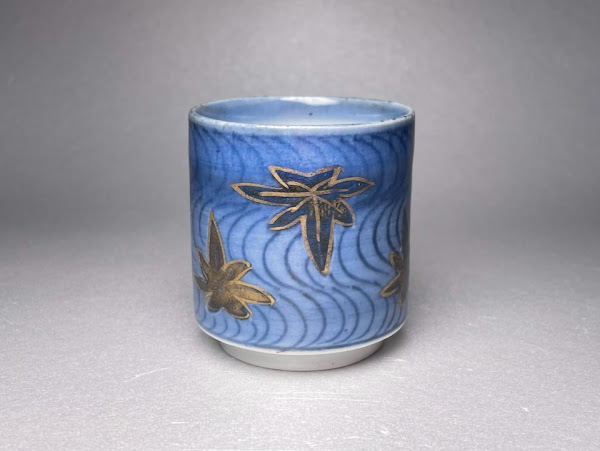
目白コレクション という、全国から40店以上の、おもに和骨董商が参加する古美術品の展示即売会にいってきた。 I went to an antique exhibition held in Mejiro, Tokyo , where more than 40 dealers from every part of Japan showed mainly Japanese old things. 金彩染付 のぞき猪口 流水楓文 Stream and Maple Leaves 19世紀初頭 Early 19th century 口径 top width: 52 mm / 高さ height: 55 mm / 高台径 bottom width: 40 mm 川の流れとそこに浮かぶ楓6枚がダミで表現され、さらに葉っぱは金彩で装飾される。紅葉した楓の流れゆくさまが見事に表現されているとおもう。手にとるとやや重さを感じる。 Water stream and six maple leaves are expressed with cobalt blue glaze and the leaf is decorated with gold. I think that red maple leaves drifting down a stream are well described. It feels a bit heavier than it looks. 染付 のぞき猪口 鯉の滝登り図 A Carp Becoming a Dragon 19世紀 19th century 口径 top width: 51 mm / 高さ height: 54 mm / 高台径 bottom width: 38 mm 雲の切れ間を竜が飛んでいる。達筆すぎて絵柄がなにをあらわすのかいまいち不明の部分があるが、魚の尾びれのようなものがくっついているので、これは鯉が竜に化けるという龍門の鯉の故事に関係するものだろう。裏側と見込みとに、なにかタワシのようなものにチンアナゴみたいな細長いものが乗っている文様が描かれるが、これも故事にまつわるものなのだろうか。縁にニューがあったが、珍しい絵柄なので入手した。 A dragon flies thr...